
Category: Uncategorized

  • India’s Street Food Wins Global Recognition as Three Cities Earn Places Among the World’s Best Food Destinations

    New Delhi: India’s vibrant street food culture has earned international recognition once again, with Mumbai, Delhi, and Kolkata securing spots on a global list of the World’s Best Street Food Places for 2026. The ranking celebrates destinations where local cuisine is deeply rooted in culture, affordability, and everyday life, highlighting India’s enduring reputation as one of the world’s top culinary destinations. (ndtv.com)

    A Global Spotlight on India’s Culinary Heritage

    Street food has long been an essential part of India’s food culture, offering a wide variety of regional flavors that attract both locals and international travelers. From spicy chaats and crispy snacks to flavorful curries and sweet delicacies, Indian cities continue to showcase a culinary diversity that few destinations can match.

    The latest global recognition reflects not only the popularity of Indian street food but also its growing influence on international food tourism.

    Mumbai: The City That Never Stops Eating

    Mumbai’s bustling streets are home to some of India’s most iconic fast-food dishes. Visitors can enjoy favorites such as vada pav, pav bhaji, bhel puri, sev puri, and bombil fry, each representing the city’s fast-paced lifestyle and multicultural identity.

    Food markets like Juhu Beach, Mohammed Ali Road, and Crawford Market continue to draw thousands of food lovers every day.

    Delhi: A Capital Rich in Flavors

    Delhi remains one of India’s premier food destinations, blending centuries-old Mughlai traditions with modern street food culture. The city’s famous offerings include golgappa, aloo tikki, parathas, chaat, kebabs, and butter chicken, attracting visitors from across the world.

    Historic food hubs such as Chandni Chowk remain among the country’s most celebrated culinary landmarks.

    Kolkata: A Blend of Tradition and Innovation

    Kolkata’s street food reflects the city’s rich cultural heritage and Bengali culinary traditions. Popular dishes such as kathi rolls, puchka, jhal muri, ghugni, and a variety of traditional sweets have made the city a favorite among food enthusiasts.

    Its unique combination of colonial influences and regional recipes continues to set Kolkata apart as one of Asia’s most distinctive food capitals.

    More Than Just Food

    The recognition highlights a broader trend in global tourism, where travelers increasingly seek authentic local experiences rather than luxury dining alone. Street food offers visitors an opportunity to experience local traditions, interact with communities, and discover regional flavors at affordable prices.

    For many tourists, exploring local food markets has become just as important as visiting famous monuments or cultural attractions.

    Economic Boost for Local Vendors

    International recognition can also benefit thousands of small food vendors and family-run businesses that form the backbone of India’s street food economy. Increased tourism often creates new opportunities for local entrepreneurs while encouraging improvements in hygiene, food safety, and customer experience.

    Industry experts believe such rankings strengthen India’s position as a leading destination for culinary tourism.

    The Growing Global Appeal of Indian Cuisine

    Indian cuisine has steadily gained worldwide popularity, with restaurants, food festivals, and regional specialties becoming increasingly common across Europe, North America, the Middle East, and Asia. This latest recognition further reinforces India’s reputation as a country where food is both a cultural tradition and a major tourism asset.

    Looking Ahead

    As global travelers continue searching for authentic culinary experiences, India’s diverse street food culture is expected to attract even greater international attention. The inclusion of Mumbai, Delhi, and Kolkata among the world’s best street food destinations demonstrates that some of the country’s greatest culinary experiences are still found not in luxury restaurants, but on its vibrant and bustling streets.

  • Beyond the Skyline: The World’s 5 Tallest Buildings That Continue to Redefine Modern Architecture

    Global: Skyscrapers have become more than symbols of architectural excellence—they now represent economic ambition, engineering innovation, and urban transformation. From the record-breaking Burj Khalifa in Dubai to China’s towering Shanghai Tower, the race to build higher has reshaped skylines across the globe while showcasing the latest advances in design and construction. (news18.com)

    The Global Race Toward the Sky

    Over the past two decades, cities have increasingly viewed supertall skyscrapers as landmarks that attract investment, tourism, and international recognition. Advances in structural engineering, wind-resistant designs, and sustainable technologies have enabled architects to construct buildings that were once considered impossible.

    Today, these structures serve as mixed-use developments, combining offices, luxury residences, hotels, observation decks, and retail spaces within a single vertical city.

    1. Burj Khalifa – Dubai, United Arab Emirates

    Standing at 828 meters (2,717 feet), the Burj Khalifa remains the tallest building in the world. Since its inauguration in 2010, it has become an international icon, offering panoramic observation decks, luxury residences, corporate offices, and the Armani Hotel.

    Its innovative engineering allows the tower to withstand strong desert winds while maintaining exceptional structural stability, making it one of the greatest achievements in modern architecture. (news18.com)

    2. Merdeka 118 – Kuala Lumpur, Malaysia

    At 678.9 meters (2,227 feet), Merdeka 118 has become the second-tallest building globally. Inspired by Malaysia’s historic independence movement, the skyscraper combines office spaces, luxury hotels, retail facilities, and public observation areas.

    Its distinctive diamond-shaped façade reflects both cultural heritage and contemporary architectural innovation.

    3. Shanghai Tower – Shanghai, China

    Reaching 632 meters (2,073 feet), the Shanghai Tower is recognized for its twisting design that reduces wind loads while improving energy efficiency.

    The building incorporates advanced environmental technologies, including rainwater harvesting and renewable energy systems, making it one of the world’s most sustainable supertall skyscrapers.

    4. Makkah Royal Clock Tower – Mecca, Saudi Arabia

    With a height of 601 meters (1,972 feet), the Makkah Royal Clock Tower dominates the skyline surrounding Islam’s holiest city.

    The tower features one of the world’s largest clock faces and serves millions of pilgrims annually through its hotel accommodations, shopping facilities, and prayer spaces.

    5. Ping An Finance Centre – Shenzhen, China

    Standing 599 meters (1,965 feet) tall, the Ping An Finance Centre reflects Shenzhen’s transformation into one of China’s leading financial and technology hubs.

    The skyscraper houses corporate offices, conference facilities, retail outlets, and observation areas while showcasing advanced construction techniques designed for high-density urban environments.

    More Than Height: Why Skyscrapers Matter

    The world’s tallest buildings are no longer simply engineering records. They represent broader national ambitions, urban planning strategies, and economic development goals. Governments increasingly view landmark towers as catalysts for tourism, business investment, and global competitiveness.

    Modern skyscrapers also incorporate smart-building technologies, energy-efficient systems, and sustainable construction practices, reflecting the changing priorities of urban development.

    The Future of Vertical Cities

    Architects and engineers continue exploring even taller and more sustainable designs. Future projects are expected to emphasize carbon-efficient construction, renewable energy integration, artificial intelligence for building management, and mixed-use communities that reduce environmental impact while supporting growing urban populations.

    As cities compete to shape the skylines of tomorrow, the next generation of skyscrapers is likely to focus not only on breaking height records but also on creating smarter, greener, and more resilient urban environments.

    Looking Ahead

    From Dubai to Shanghai, today’s tallest buildings stand as monuments to human ingenuity and technological progress. While their impressive heights capture global attention, their lasting significance lies in how they redefine city living, inspire architectural innovation, and influence the future of urban development worldwide.

  • Why Peace Remains Elusive: Iran’s Complex Power Structure Is Complicating Efforts to End the War

    Tehran: Diplomatic efforts to end the ongoing conflict involving Iran continue to face a major obstacle—not only because of tensions with foreign powers, but also because of Iran’s own complex system of governance. Unlike many countries where key security decisions are made through a single chain of command, Iran’s authority is distributed across multiple political, military, and security institutions, making it difficult to reach and implement a unified strategy for peace.

    A Leadership System With Multiple Centers of Influence

    Iran’s political structure brings together elected officials, senior military commanders, security institutions, and powerful advisory bodies, each playing a role in shaping national policy. While this layered system is designed to provide resilience during times of crisis, it can also slow decision-making when rapid diplomatic compromises are required.

    Analysts say that even when negotiations make progress, differences between influential factions can complicate efforts to translate agreements into lasting policy.

    Ceasefire Efforts Continue to Face Setbacks

    Several attempts to reduce hostilities have shown how fragile the situation remains. Temporary pauses in fighting and diplomatic initiatives have repeatedly struggled to gain momentum as disputes over sanctions, maritime security, and broader regional issues continue to fuel mistrust.

    Each interruption in negotiations has demonstrated that ending the conflict requires more than an agreement between opposing countries—it also depends on whether competing power centers within Iran support the same objectives.

    Different Priorities Inside Iran

    Observers suggest that Iran’s leadership broadly agrees on protecting national interests, but opinions differ over how those goals should be achieved.

    Some influential groups favor maintaining strong military pressure as a deterrent, arguing that concessions could weaken Iran’s strategic position. Others believe sustained diplomacy offers the best opportunity to reduce economic pressure, ease sanctions, and restore regional stability. These differing approaches have made negotiations increasingly complex.

    Regional Stability Depends on More Than Diplomacy

    The conflict’s consequences extend far beyond Iran’s borders. Continued instability threatens shipping routes, energy exports, and global financial markets, particularly because of the strategic importance of the Strait of Hormuz.

    Neighboring Gulf states and international partners have continued encouraging dialogue, hoping to prevent a broader regional conflict that could disrupt trade and energy supplies worldwide.

    Internal Politics Shape External Negotiations

    Experts note that international diplomacy often focuses on negotiations between governments, but Iran’s internal political dynamics can be equally decisive. Any long-term settlement will likely require broad institutional backing to ensure agreements remain effective beyond the negotiating table.

    This reality makes diplomatic progress slower but also highlights the importance of building consensus rather than relying solely on short-term ceasefire arrangements.

    Looking Ahead

    Despite ongoing diplomatic contacts, significant challenges remain before a lasting peace can be achieved. The combination of regional security concerns, economic pressures, and Iran’s multi-layered decision-making process means negotiations are likely to remain gradual and complex.

  • Inside China’s Expanding Surveillance System: How Foreign Residents Are Monitored Beyond Public Spaces

    Beijing: China’s vast surveillance network has long been associated with facial recognition cameras and public security systems. However, new reports suggest that authorities can also access a broad range of digital records that provide detailed insights into the daily lives of foreign residents—from utility payments and travel history to mobile phone activity and accommodation records. The revelations have renewed global debate over privacy, data governance, and the balance between national security and personal freedoms. (ndtv.com)

    A Digital Trail Beyond CCTV Cameras

    While China’s extensive network of surveillance cameras remains highly visible, experts say the country’s digital monitoring system extends much further. Government databases can combine information from various sources, including hotel registrations, visa records, transportation bookings, utility accounts, and mobile phone data to create a comprehensive picture of an individual’s movements and activities.

    For foreign residents and visitors, this means everyday transactions may contribute to a broader digital profile maintained by authorities. (ndtv.com)

    Technology and Data Integration

    The surveillance system is built around the integration of multiple government and administrative databases rather than relying solely on physical monitoring. By connecting information across agencies, officials can quickly verify identities, monitor travel patterns, and respond to security concerns.

    Supporters argue that these capabilities help improve public safety and law enforcement, while critics contend that the extensive collection of personal data raises significant questions about transparency, oversight, and individual privacy. (ndtv.com)

    What It Means for Foreign Residents

    For expatriates, international students, business professionals, and tourists, the report serves as a reminder that many routine activities—including registering a residence, opening utility accounts, or using digital payment platforms—may generate data accessible to government authorities under Chinese regulations.

    Privacy specialists recommend that travelers understand local data policies before relocating or conducting long-term business operations in countries with extensive digital governance systems. (ndtv.com)

    A Global Debate on Digital Governance

    China’s approach reflects a broader international discussion about how governments use technology to enhance security while protecting civil liberties. Many countries collect personal information for immigration, taxation, or law enforcement purposes, but the scale and level of integration reported in China’s system have drawn particular international attention.

    As artificial intelligence and big-data technologies continue to evolve, policymakers worldwide are facing increasing pressure to define clear rules governing the collection, storage, and use of personal information. (apnews.com)

    Businesses and Diplomats Are Paying Attention

    The findings have implications beyond individual privacy. International companies, diplomatic missions, and foreign organizations operating in China are increasingly evaluating cybersecurity practices, employee data protection, and compliance with local regulations.

    Experts say organizations may need to strengthen internal privacy policies and ensure staff understand how local legal frameworks affect the handling of personal information. (ndtv.com)

    Looking Ahead

    As governments around the world expand their use of digital technologies, the conversation is shifting from whether surveillance exists to how it should be regulated. China’s evolving surveillance infrastructure has become a prominent example in that debate, highlighting the opportunities and challenges created by increasingly interconnected data systems.

  • India Faces a Tough Energy Choice as US Tariff Threat Collides With Dependence on Russian Oil

    New Delhi: India may soon face one of its most significant economic balancing acts in recent years as a proposed U.S. policy targeting buyers of Russian energy raises difficult questions for policymakers. While a potential 100% U.S. tariff would create major trade challenges, analysts argue that abruptly reducing purchases of discounted Russian crude could have an even greater impact on India’s economy and energy security.

    A High-Stakes Trade Dilemma

    The debate has intensified after the U.S. Senate advanced legislation that could authorize steep tariffs on countries that continue importing large volumes of Russian oil. If implemented, nations such as India and China could face significant trade consequences as Washington seeks to increase economic pressure on Moscow over the Ukraine conflict.

    For India, however, the decision extends far beyond diplomacy. Since 2022, discounted Russian crude has become an important component of the country’s energy strategy, helping refiners manage costs while supporting stable domestic fuel prices.

    Why Russian Oil Matters to India

    India imports the majority of the crude oil it consumes, making affordable supplies critical for economic growth. Russian oil has offered Indian refiners a price advantage compared with many alternative sources, allowing the country to reduce import costs despite global market volatility.

    Replacing these supplies quickly could force refiners to purchase more expensive crude from other exporters, increasing fuel costs throughout the economy and putting additional pressure on inflation.

    Tariffs Are Only One Part of the Equation

    Although a 100% U.S. tariff would undoubtedly affect exports and bilateral trade, economists suggest that abandoning discounted Russian oil overnight could create broader domestic challenges. Higher import bills, increased transportation costs, and rising fuel prices could affect industries ranging from manufacturing and logistics to agriculture and aviation.

    This has transformed the issue from a foreign policy debate into a broader economic decision with implications for businesses and consumers alike.

    Balancing Strategic Partnerships

    India has consistently emphasized that its energy decisions are guided by national interests, affordability, and supply security. At the same time, it continues to strengthen economic and strategic relations with the United States, making the current situation particularly sensitive.

    Analysts believe New Delhi will seek to preserve both objectives—maintaining reliable energy supplies while continuing diplomatic engagement with Washington to avoid unnecessary trade friction.

    Global Markets Are Watching Closely

    Any major shift in India’s oil purchasing strategy could have ripple effects across international energy markets. As one of the world’s largest crude importers, changes in Indian demand can influence shipping patterns, refinery operations, and global oil prices.

    Energy traders are therefore closely monitoring both the progress of the U.S. sanctions legislation and India’s response, viewing the outcome as a potential turning point for global energy trade.

    Beyond Oil: A Test of Economic Resilience

    The current debate reflects a broader transformation in global geopolitics, where trade policy, sanctions, and energy security have become increasingly interconnected. Countries are no longer making energy decisions based solely on price or availability—they must also navigate diplomatic relationships, supply-chain resilience, and long-term strategic interests.

    For India, the challenge is not simply choosing between Russian oil and U.S. tariffs, but finding a path that safeguards economic stability while maintaining balanced international partnerships.

    Looking Ahead

    The proposed U.S. tariff measures have not yet taken full effect, and negotiations could still shape their final outcome. Even so, the discussion has highlighted the growing complexity of global energy politics, where every major decision carries economic, diplomatic, and strategic consequences. As policymakers weigh their options, India’s response could influence not only its own economy but also the future direction of international energy markets.

  • Saudi Arabia’s Oil Export Strategy Faces New Pressure as Alternative Routes Reach Their Limits

    Riyadh: Saudi Arabia’s efforts to keep crude oil flowing despite mounting security threats are facing growing logistical challenges. As instability affects key maritime routes in the Middle East, the Kingdom is relying more heavily on alternative export corridors—but industry experts warn these backup routes have limited capacity and are becoming increasingly vulnerable themselves.

    Traditional Shipping Routes Under Pressure

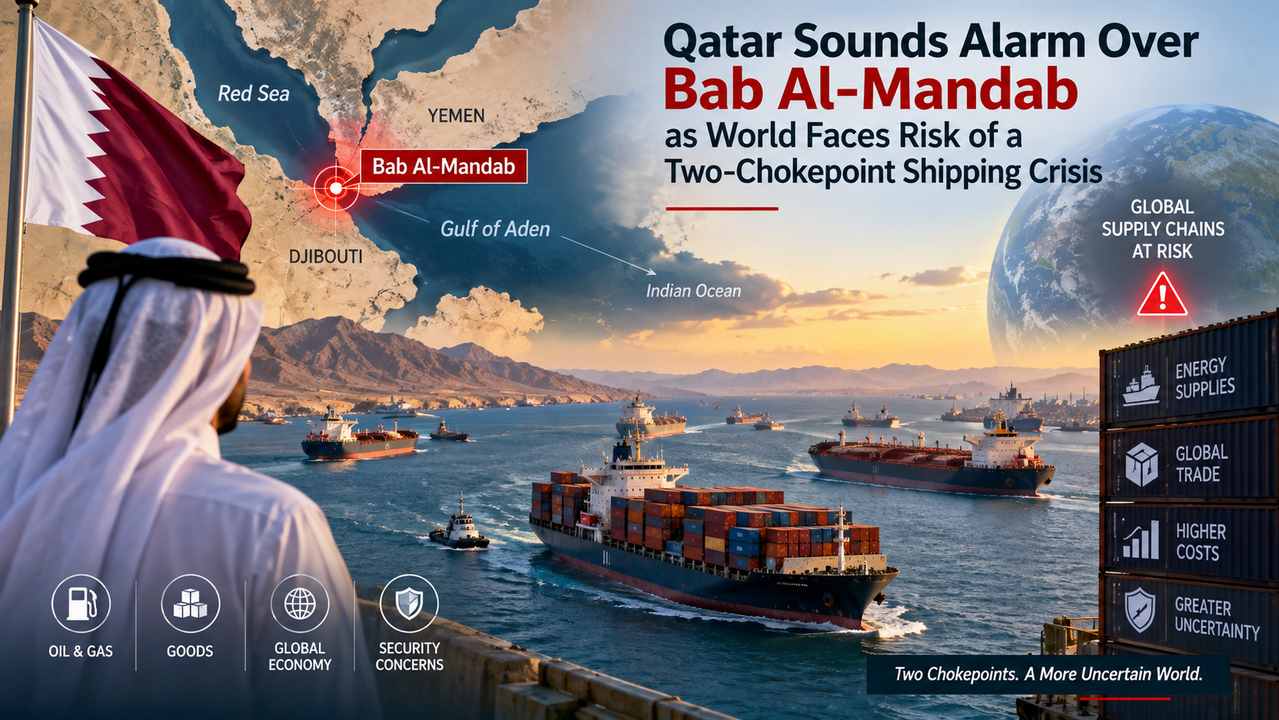
    For decades, the Strait of Hormuz has been the primary gateway for Gulf oil exports. However, heightened regional tensions, attacks on commercial shipping, and security concerns have forced Saudi Arabia to divert more crude through its East–West Pipeline to the Red Sea port of Yanbu and onward through Egypt’s SUMED pipeline.

    While these alternatives help maintain exports, they cannot fully replace the enormous volumes that normally pass through Hormuz. Analysts say the available infrastructure is approaching operational limits, leaving little room to absorb further disruptions.

    Backup Routes Are No Longer Risk-Free

    The strategy of rerouting oil was designed to reduce dependence on the Gulf’s most sensitive shipping lanes. However, recent security incidents—including drone attacks near Egyptian energy infrastructure and ongoing threats in the Red Sea—have demonstrated that alternative corridors are also exposed to geopolitical risks.

    As a result, insurers, shipping companies, and energy traders are reassessing the risks associated with routes once considered relatively secure.

    Rising Costs Across the Supply Chain

    Redirecting oil shipments has increased transportation costs, extended delivery times, and tightened tanker availability. Freight rates have climbed sharply as more vessels are required to travel longer distances or operate in higher-risk waters.

    Energy companies are also facing higher insurance premiums and greater operational complexity, adding pressure to global crude markets already affected by geopolitical uncertainty.

    Global Markets Closely Watching Saudi Exports

    Saudi Arabia remains one of the world’s largest oil exporters, meaning any disruption to its export network has implications far beyond the Middle East. Import-dependent economies in Asia and Europe continue to monitor developments closely, as prolonged bottlenecks could tighten global supplies and contribute to higher fuel prices.

    Market analysts note that even if production remains stable, transportation constraints alone can influence crude prices and energy market sentiment.

    A Shift in Energy Security Thinking

    The current situation highlights an important change in global energy security. The challenge is no longer limited to producing enough oil—it is increasingly about ensuring that oil can move safely and efficiently through increasingly contested shipping corridors.

    Governments and energy companies are now placing greater emphasis on strengthening logistics networks, diversifying export routes, and improving infrastructure resilience to reduce future disruptions.

    Looking Ahead

    Saudi Arabia’s alternative export system continues to provide an important safety net, but experts caution that it cannot completely offset prolonged disruptions to traditional maritime routes. As regional tensions persist, the Kingdom may need to accelerate investments in export infrastructure, maritime security, and strategic logistics partnerships to maintain reliable energy supplies.

  • Tehran Expands Regional Diplomacy as US-Iran Tensions Fuel Fears of Wider Middle East Conflict

    Tehran: As uncertainty continues to surround relations between the United States and Iran, Tehran has intensified diplomatic engagement with neighboring countries in an effort to prevent the region from sliding into a broader conflict. Senior Iranian officials have been holding a series of high-level consultations with Gulf and regional partners, signaling that diplomacy remains a central part of Iran’s strategy even as military tensions persist.

    Diplomacy Takes Center Stage

    Rather than relying solely on military messaging, Iran has increased communication with key regional governments, including Gulf nations that have become increasingly active in mediating between Washington and Tehran. Officials familiar with the discussions say these diplomatic efforts are aimed at reducing misunderstandings, preserving regional stability, and keeping channels of dialogue open during a period of heightened uncertainty.

    Gulf States Push for De-escalation

    Several Gulf countries are reportedly encouraging both Washington and Tehran to avoid actions that could trigger a wider regional war. Concerns over the security of energy infrastructure, shipping routes, and commercial trade have made regional governments more invested than ever in preventing another military confrontation.

    Diplomatic initiatives have also focused on ensuring stability in the Strait of Hormuz, one of the world’s most important energy corridors, where any disruption could have significant global economic consequences.

    Military Pressure Remains in the Background

    Although diplomatic activity has increased, the security environment remains fragile. The United States has continued to maintain pressure on Iran while keeping military options available, even as recent statements have indicated a willingness to pursue negotiations if progress can be achieved through dialogue.

    Analysts note that this combination of military preparedness and diplomatic outreach reflects a broader strategy of maintaining leverage while avoiding an immediate escalation into open conflict.

    Iran Seeks Regional Support

    Tehran’s recent diplomatic campaign also reflects its effort to strengthen relationships with neighboring countries and demonstrate that regional security challenges should be addressed through cooperation rather than confrontation.

    By engaging directly with Gulf partners, Iran appears to be seeking broader regional backing for dialogue while reducing the possibility that neighboring states become drawn into a larger military crisis.

    Economic Stakes Continue to Grow

    The renewed diplomatic activity comes as financial markets remain highly sensitive to developments in the Middle East. Even reports of possible negotiations have influenced global oil prices and investor confidence, highlighting how geopolitical tensions increasingly affect the world economy.

    Businesses, energy markets, and shipping companies continue to monitor developments closely, particularly any changes affecting the Strait of Hormuz and regional energy exports.

    A Delicate Balance Between Dialogue and Deterrence

    Diplomatic observers say the coming weeks could prove decisive. While both sides continue to exchange firm public statements, behind-the-scenes negotiations suggest there is still interest in avoiding another round of military escalation.

    Whether these diplomatic efforts lead to a lasting breakthrough remains uncertain, but the current phase illustrates that regional powers are playing a far more active role in shaping security discussions than in previous crises.

    Looking Ahead

    For now, Tehran’s intensified regional diplomacy reflects an effort to contain tensions before they evolve into a broader conflict. As negotiations continue and regional governments remain engaged, the focus is shifting from immediate confrontation toward cautious diplomacy—though significant challenges surrounding security, sanctions, and long-term regional stability remain unresolved.

  • Deadly Moscow Restaurant Blast Kills Three, Puts Russia’s Urban Security Under Fresh Scrutiny

    Moscow: A powerful explosion outside an upscale restaurant in central Moscow has left at least three people dead and more than 20 injured, prompting Russian authorities to launch a terrorism investigation. The blast occurred after a woman carrying an improvised explosive device attempted to enter the venue before being stopped by security.

    Explosion Unfolded at a Busy Restaurant Entrance

    The incident took place near the Balzi Rossi restaurant in Moscow’s Kudrinskaya Square during a private event. According to Russia’s National Anti-Terrorism Committee, the woman carrying the device was intercepted by a security guard before entering the restaurant. Moments later, the explosive detonated, killing the woman, the guard, and a restaurant guest. More than 20 other people suffered injuries and were taken to nearby hospitals.

    Emergency Crews Rush to the Scene

    Police, firefighters, bomb disposal teams, and medical personnel quickly secured the area as investigators began examining the blast site. Authorities cordoned off the neighborhood while forensic experts collected evidence to determine how the device was assembled and whether others were involved in planning the attack.

    Questions Over the Intended Target

    Investigators have not officially identified the intended target or established a motive. However, media reports suggest the restaurant was hosting a private gathering attended by prominent figures, leading to speculation that the attack may have been aimed at a specific individual rather than the general public. Officials have not confirmed those reports, and the investigation remains ongoing.

    Security Concerns Grow

    The bombing comes as Russia continues to face a series of security incidents linked to the broader conflict surrounding Ukraine. Although no group has claimed responsibility and authorities have not publicly assigned blame, the attack is likely to intensify concerns about the protection of high-profile events and public venues in major cities.

    Beyond the Immediate Tragedy

    The incident also highlights the growing challenge of preventing attacks in crowded urban spaces. Security experts note that restaurants, shopping districts, and other public gathering places are increasingly difficult to protect without significantly affecting daily life. The quick actions of security personnel may have prevented the explosive device from reaching the crowded indoor area, potentially reducing the scale of the tragedy.

    Investigation Continues

    Russian authorities have classified the explosion as a terrorist act and say they are working to identify anyone who may have assisted in planning or carrying out the bombing. Officials have pledged to strengthen security measures while continuing their investigation into one of the most serious attacks to hit central Moscow in recent months.

  • Drone Strike Sparks Major Fire at Russia’s Largest Online Retailer, Highlighting New Front in Ukraine Conflict

    Moscow: A Ukrainian drone attack has ignited a large fire at a Wildberries logistics warehouse in Russia’s Vladimir region, disrupting operations at one of the country’s biggest e-commerce networks. The incident marks another escalation in the expanding drone campaign targeting infrastructure beyond the battlefield.

    Logistics Hub Hit During Overnight Attack

    Wildberries, Russia’s largest online marketplace, confirmed that one of its warehouse facilities caught fire following the drone strike. The company said employees were safely evacuated before the blaze spread, while emergency crews rushed to the scene to contain the fire. To reduce disruption, deliveries were redirected to other logistics centers within the company’s network.

    Regional authorities reported that the attack caused minor injuries. A young man was hospitalized with a head injury, while a nearby resident suffered a leg injury. No fatalities were reported at the warehouse itself.

    More Than a Single Warehouse

    The attack reflects a broader shift in the conflict, where logistics and commercial infrastructure are increasingly becoming targets alongside military and energy facilities. Wildberries plays a crucial role in Russia’s retail supply chain, processing millions of online orders and serving customers across the country.

    Analysts say strikes on such facilities can disrupt transportation networks, delay deliveries, and create wider economic pressure without directly targeting civilian population centers.

    Emergency Response Limits Operational Disruption

    Firefighters worked to bring the warehouse blaze under control as company officials activated contingency plans. By rerouting shipments through alternative distribution centers, Wildberries sought to minimize delays for merchants and customers despite the damage.

    The company has not yet released an estimate of financial losses or the extent of damage to inventory and warehouse infrastructure.

    Drone Campaign Continues to Expand

    The Vladimir warehouse fire is part of a series of recent drone attacks reported across multiple Russian regions. Ukrainian long-range drone operations have increasingly targeted logistics hubs, industrial sites, and other infrastructure that could affect Russia’s economic and supply capabilities.

    Russian authorities continue to strengthen air-defense measures, while Ukraine maintains that attacks are aimed at weakening infrastructure linked to Russia’s war effort.

    Economic Impact Could Extend Beyond the Battlefield

    Although emergency teams quickly responded to the latest incident, repeated attacks on major logistics centers raise concerns about supply-chain resilience. Warehouses are vital links between manufacturers, merchants, and consumers, meaning even localized disruptions can affect deliveries, inventory management, and business operations across large regions.

    Industry observers say companies may increasingly invest in decentralized logistics networks and stronger infrastructure protection as drone warfare evolves.

    Looking Ahead

    Investigators are assessing the full extent of the damage while cleanup and recovery efforts continue. The incident illustrates how modern conflicts are increasingly affecting commercial infrastructure, demonstrating that economic systems have become an important dimension of contemporary warfare alongside traditional military operations.

  • Two Firefighters Killed in Mid-Air Helicopter Collision as Greece Battles Escalating Wildfire Crisis

    Athens, Greece: A tragic mid-air collision between two firefighting helicopters has claimed the lives of two emergency responders during efforts to contain a rapidly spreading wildfire west of Athens. The accident occurred as Greece faced another intense day of extreme heat, strong winds, and fast-moving fires that continue to threaten homes and communities across the country.

    Disaster Strikes During a High-Risk Firefighting Mission

    The helicopters, both deployed to combat a major blaze in the Psatha region, were conducting aerial water-dropping operations when they collided in the air. One aircraft crashed after the impact, resulting in the deaths of two crew members, while the second helicopter managed to make an emergency landing, allowing its crew to survive. Authorities have launched an investigation to determine the exact cause of the collision.

    Wildfires Stretch Emergency Resources

    The deadly accident highlights the extraordinary risks faced by firefighters as Greece confronts one of its most challenging wildfire seasons in recent years. Strong winds, prolonged drought, and soaring temperatures have allowed fires to spread rapidly, forcing authorities to evacuate multiple communities and deploy hundreds of firefighters, aircraft, and emergency personnel.

    Firefighters on the Front Line

    Aerial firefighting crews play a critical role in slowing the advance of wildfires, particularly in mountainous and inaccessible terrain. However, operating helicopters in smoky skies, turbulent winds, and low-visibility conditions leaves little margin for error. The collision serves as a stark reminder that emergency responders face life-threatening dangers not only from the fires themselves but also from the demanding conditions in which they operate.

    Climate Extremes Continue to Fuel Europe’s Fire Season

    The incident comes as several European countries, including France and Spain, continue battling large wildfires intensified by recurring heatwaves. Scientists have warned that hotter, drier summers are increasing both the frequency and severity of wildfire outbreaks, placing greater pressure on emergency services and disaster response systems across the continent.

    Investigation Underway

    Greek authorities are examining flight records, communication logs, and weather conditions to understand what led to the mid-air collision. Officials have also expressed condolences to the families of the victims, describing the fallen crew members as dedicated professionals who lost their lives while protecting others.

    A Sobering Reminder

    Beyond the immediate tragedy, the crash underscores the growing complexity of responding to climate-driven disasters. As wildfires become more frequent and more intense, the demands placed on firefighters and aviation crews continue to increase, reinforcing the need for advanced coordination, improved safety measures, and sustained investment in emergency response capabilities.